Travel/Adventure
Travel and adventure represent far more than temporary escapes from daily routines. When approached intentionally, they become powerful catalysts for personal transformation, cultural understanding, and psychological renewal. Yet most travelers return home exhausted rather than recharged, having accumulated photos and superficial experiences without genuine connection or lasting insight.
The difference between transformative travel and mere tourism lies not in destination choice or budget, but in how we design, experience, and integrate our journeys. This comprehensive exploration examines the fundamental pillars of meaningful travel—from crafting holistic itineraries and achieving authentic cultural immersion to leveraging physical challenges for personal growth and practicing regenerative tourism that benefits local communities.
Why Most Travel Experiences Fail to Deliver Transformation
The typical vacation follows a predictable pattern: overscheduling, constant movement between landmarks, minimal interaction with locals, and digital connectivity that prevents genuine disconnection. Studies suggest that 85% of travelers struggle to maintain digital detox despite genuine intentions, while rushed itineraries create stress rather than alleviating it.
Superficial tourism reduces profound heritage sites to photo opportunities and cultural experiences to consumable entertainment. The fundamental mistake occurs during planning, when travelers prioritize quantity over quality—cramming multiple destinations into limited timeframes rather than allowing adequate space for reflection, integration, and spontaneous discovery.
Transformative travel requires deliberate design. It means building downtime into itineraries, choosing experiences that challenge existing worldviews rather than confirming them, and creating space for emotional processing through solitude and reflective practices like journaling. The optimal trip duration varies by objective, but diminishing returns typically set in when constant stimulation prevents the mind from processing new information.
Designing Holistic Travel Experiences for Complete Renewal
Orchestrating complete travel experiences that deliver both cultural discovery and psychological restoration simultaneously requires balancing opposing needs: stimulation and rest, planning and spontaneity, challenge and comfort.
Balancing Cultural Immersion With Adequate Downtime
The most successful itineraries alternate between intense cultural engagement and restorative pauses. After visiting museums or heritage sites, schedule unstructured time in cafés, parks, or accommodations. This rhythm allows your mind to integrate new perspectives while preventing the mental fatigue that comes from continuous novelty.
Choosing Between Guided Tours and Independent Exploration
Guided group tours provide historical context and logistical ease but can limit spontaneity and authentic interaction. Independent solo travel demands greater resourcefulness yet offers flexibility to follow curiosity and connect meaningfully with places and people. Consider hybrid approaches: hire local guides for complex heritage sites while maintaining independence for neighborhood exploration and daily life immersion.
Determining Optimal Trip Duration
Weekend getaways rarely allow sufficient time for genuine disconnection, while extended multi-month journeys can lead to travel fatigue. For transformative experiences, 10-21 days often provides the sweet spot—long enough to move beyond tourist mindset and establish rhythms, yet brief enough to maintain fresh perspective and appreciation.
The Art of Authentic Cultural Immersion
Experiencing destinations as residents rather than external tourists transforms surface-level observation into genuine cultural understanding. This shift requires intentional choices about where you stay, how you spend time, and how you engage with local communities.
Staying in Local Neighborhoods Versus Tourist Districts
Accommodation location fundamentally shapes your experience. Staying in residential neighborhoods rather than hotel districts provides daily exposure to authentic rhythms—morning markets, neighborhood cafés, public transportation, and casual interactions that reveal far more than famous landmarks ever could. Homestays and locally-owned guesthouses offer deeper cultural access than boutique hotels, though comfort trade-offs exist.
Building Genuine Connections Despite Language Barriers
Language differences intimidate many travelers, yet genuine connection transcends vocabulary. Learn basic courtesy phrases, demonstrate cultural curiosity through respectful questions, and participate in shared activities like cooking classes or community events. Most locals appreciate sincere efforts to engage, even when linguistic awkwardness occurs.
Navigating Cultural Norms and Unwritten Rules
Tourist behaviors—loud conversations, inappropriate photography, disrespectful dress at religious sites—immediately mark you as an outsider and prevent authentic engagement. Research cultural expectations before arrival: dining etiquette, greeting customs, personal space norms, and appropriate topics of conversation. Approach cultural traditions as a learner rather than a consumer of exotic entertainment.
Travel as Psychological Restoration and Emotional Healing
Distance from chronic stressors creates space for emotional processing and psychological equilibrium restoration. However, achieving genuine mental clarity requires intentional environmental choices and deliberate practices rather than assuming travel automatically provides relief.
Choosing Destinations With the Right Sensory Environment
Anxious minds often benefit from nature-based retreats—coastal environments, mountain landscapes, or forest settings that calm nervous systems through natural rhythms and reduced stimulation. Conversely, some individuals find urban cultural escapes more restorative, drawing energy from architectural beauty, artistic experiences, and the anonymity of city crowds. Match your destination’s sensory profile to your specific psychological needs.
Creating Space for Emotional Processing
Mental clarity requires more than change of scenery. Build solitude into your itinerary—early morning walks, sunset observations, dedicated journaling time. These practices transform random experiences into integrated insights, preventing profound moments from dissolving into vague memories after return.
Avoiding Planning Approaches That Add Stress
Rigid schedules and unrealistic expectations sabotage psychological restoration. Rather than planning every hour, establish loose frameworks: morning neighborhood exploration, afternoon at a single museum, evening unstructured. Allow room for fatigue, weather changes, and spontaneous discoveries without guilt or pressure.
Adventure Challenges for Building Confidence and Capability
Physical and psychological challenges during travel reveal hidden capabilities and build lasting confidence more effectively than any personal development seminar. The key lies in calibrating difficulty appropriately and extracting transferable lessons systematically.
Calibrating Adventure Experiences to Current Abilities
Approximately 40% of adventure travelers either abandon challenges or suffer preventable injuries due to poor risk assessment. Choose experiences slightly beyond your current comfort zone—challenging enough to require growth but not so extreme that failure becomes likely. First-time trekkers should attempt day hikes before multi-day expeditions; novice divers should master basics in controlled environments before open water.
Recognizing When to Push Versus When to Retreat
Genuine adventure requires distinguishing productive discomfort from dangerous situations. Physical fatigue with mental clarity suggests healthy challenge; panic, equipment failure, or rapidly changing conditions signal time to retreat. Safety-seeking behavior prevents many from experiencing transformation, yet reckless boundary-pushing leads to trauma rather than growth.
Extracting Transferable Lessons for Daily Life
Adventure’s value extends beyond temporary achievement. Navigating foreign cities alone builds problem-solving skills applicable to professional challenges. Completing physical expeditions demonstrates capabilities that boost confidence in other domains. After each challenge, reflect systematically: What specific skills did I develop? How did I overcome obstacles? Where else might these approaches apply?
Cultural Heritage: Learning Through Immersive Exploration
UNESCO sites, museums, and living cultural traditions become profound learning experiences rather than pretty backdrops when approached with appropriate context and engagement strategies.
Heritage sites communicate historical narratives and cultural evolution, but these messages remain invisible without preparation. Research sites before visiting—understand the historical period, cultural significance, and broader context. This foundation transforms passive observation into active comprehension, where architectural details and artistic choices reveal deeper meanings.
Guided heritage tours provide expert interpretation but can feel impersonal and rushed. Self-directed exploration with quality audio guides offers flexibility and personal pacing while maintaining educational depth. For complex sites, consider hiring specialized local historians rather than general tour groups—their passion and expertise create memorable understanding.
Living cultural traditions—festivals, craft workshops, culinary practices—offer windows into contemporary culture when engaged respectfully. Participate as student rather than spectator: take cooking classes from local chefs, learn traditional crafts from artisans, attend cultural performances with curiosity about historical and social context rather than treating them as exotic entertainment.
Wellness Travel for Comprehensive Physical and Mental Recovery
Scientifically-designed wellness retreats address chronic stress and tension more effectively than spa treatments during rushed vacations, but only when chosen and integrated thoughtfully.
Distinguish between destination spas focused on luxury amenities and wellness retreats with structured programs addressing specific health objectives. Evidence-based therapies—meditation instruction, nutrition counseling, therapeutic bodywork, movement practices—deliver lasting benefits, while trendy treatments often provide temporary indulgence without meaningful health improvements.
The wellness retreat mistake that wastes resources occurs when travelers choose programs based on aesthetic appeal rather than alignment with actual health needs. Before booking, clarify your objectives: stress management, physical recovery, lifestyle reset, or specific health conditions. Verify that practitioners hold relevant credentials and programs incorporate established therapeutic approaches.
Wellness benefits fade rapidly without integration into daily routines. Before leaving retreats, identify which practices you can realistically maintain—morning meditation, specific exercises, dietary changes—and establish concrete implementation plans rather than vague intentions.
Sustainable Travel Practices That Benefit Local Communities
Minimizing environmental footprint while maximizing cultural exchange requires understanding which sustainability practices deliver genuine impact versus those offering psychological relief without meaningful protection.
Carbon offset programs vary dramatically in effectiveness. Some fund verifiable reforestation or renewable energy projects; others lack transparency or measurable outcomes. More impactful choices include slow overland travel when practical, extended stays in fewer locations rather than rapid multi-destination tours, and selecting accommodations with documented environmental certifications beyond marketing claims.
Greenwashing remains prevalent in tourism. Evaluate whether operators demonstrate genuine sustainability commitment through specific practices: waste reduction systems, renewable energy use, fair wages for local staff, community investment programs. Vague environmental language without concrete actions signals performative rather than substantive commitment.
Regenerative tourism goes beyond minimizing harm to actively benefiting destination communities. Contribute positively through responsible spending—prioritizing locally-owned businesses over international chains, purchasing authentic crafts directly from artisans, eating at neighborhood restaurants. Engage in meaningful cultural exchange that values local knowledge rather than treating communities as exotic backdrops for personal experiences.
The path from superficial tourism to transformative travel requires intentional design, cultural humility, physical courage, and environmental responsibility. By balancing challenge with restoration, planning with spontaneity, and personal growth with community benefit, travel becomes a powerful vehicle for expanding perspective, building capability, and fostering genuine human connection across cultural boundaries.
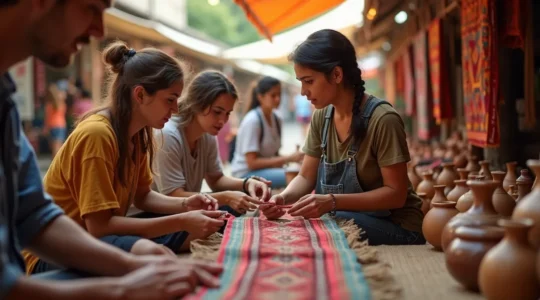
How to Travel Responsibly: Protecting Destinations & Supporting Local Economies
True responsible travel isn’t about ticking off eco-friendly actions; it’s about fundamentally shifting your mindset to critically evaluate the systems you engage with, from carbon offsets to hotel certifications. Most carbon offset programs fail to deliver real climate benefits due…
Lire la suite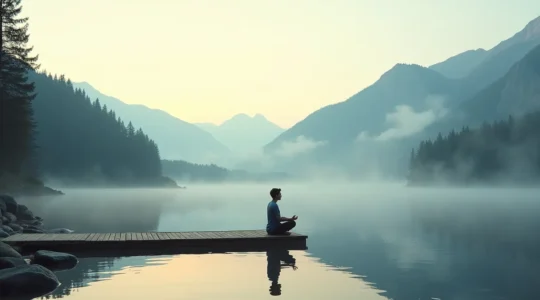
Restoring Physical Health and Releasing Chronic Tension Through Wellness Retreats
True physical restoration isn’t found in luxury spas or rushed vacations, but in rewiring your body’s deep-seated stress patterns. Lasting relief comes from evidence-based somatic therapies that regulate the nervous system, not temporary pampering. The environment and practitioner expertise are…
Lire la suite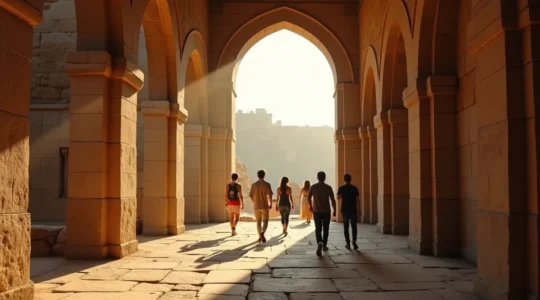
Understanding History and Culture Through Immersive Heritage Site Exploration
The true value of a heritage site is unlocked not by what you see, but by the interpretive framework you use to see it. Most travel focuses on visiting historical locations; this guide focuses on actively deconstructing their complex, often…
Lire la suite
Developing Life Skills and Self-Reliance Through Travel Challenges
In summary: True skill development through travel is an active process, not a passive one. It requires intentionally designing challenges that push your capabilities. The goal is to systematically break your « safety-net dependency » on technology and familiar routines to force…
Lire la suite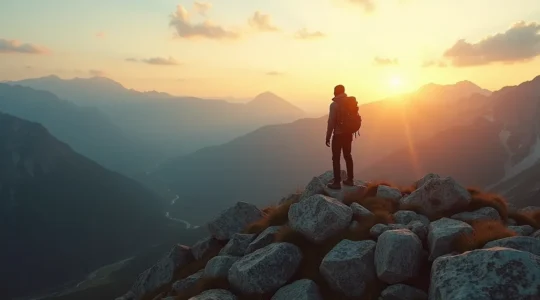
How Adventure Travel Reveals Your True Capabilities by Testing Your Limits
Pushing your limits isn’t about reckless risk-taking; it’s a science of calibrated challenges that rewire your brain for genuine confidence and capability. Adventure travel provides immediate, real-world feedback that abstract learning environments like seminars cannot replicate, actively forging new neural…
Lire la suite
Traveling to Restore Mental Health and Emotional Clarity in an Overstimulated World
True restorative travel is not about where you go, but how you create a psychological ‘therapeutic container’ to process stress and find clarity. Intentional planning and destination choice based on your internal state are more critical than the trip’s duration…
Lire la suite
Living Like a Local: A Guide to Experiencing Authentic Culture Beyond Tourist Facades
To truly live like a local, you must shift your focus from a checklist of activities to understanding the invisible ‘cultural grammar’ of a place. Authentic connection comes from participating in daily routines, not just observing landmarks. Your behavior and…
Lire la suite
Using Travel to Catalyze Deep Personal Transformation and Identity Evolution
True transformation from travel is not a passive byproduct of seeing new places, but an active process of psychological engineering. Most travel reinforces existing beliefs (« confirmation bias tourism ») instead of challenging them through cognitive dissonance. Real growth is blocked by…
Lire la suite
Planning Transformative Journeys That Deliver Discovery, Rest, and Inspiration
The common belief that a new destination automatically creates transformation is a myth; true renewal comes from intentionally designing the very architecture of your journey. Most travel burnout stems from « decision fatigue, » an overload of minor choices that drain cognitive…
Lire la suite